
What governs this equipment
Safety and standards
Citing a standard is not producing a certificate. This page says what the manufacturers' documentation cites, and nothing more.
The house rule
A standard cited, a source given
Throughout this site, every specification shows where it comes from: from the manufacturer's documentation, or from a European distributor's. A standard cited in documentation indicates the benchmark the product targets. The corresponding certificate is a signed document: it is provided on request, with the quote.
It is for the same reason that you will find on this site neither a cycle count, nor a warranty period, nor North American certification. Public sources contradict each other on those three points, and an industrial buyer carries such figures into their calculation.
The standards cited
| Standard | Objet | Scope |
|---|---|---|
| IEC 62619 | Safety of lithium accumulators for industrial applications | Product |
| IEC 63056 | Safety of lithium batteries in energy storage systems | Product |
| IEC 62477 | Safety of power converters | Conversion |
| IEC 61000 | Electromagnetic compatibility | Installation |
| UN 38.3 | Mandatory tests for transporting lithium batteries | Transport |
| ADR | European agreement on the road transport of dangerous goods | Road transport |
| IMDG | International Maritime Dangerous Goods Code | Sea freight |
| IATA | Dangerous goods air transport regulations | Air transport |
- IEC 62619
- Safety of lithium accumulators for industrial applications
- Product
- IEC 63056
- Safety of lithium batteries in energy storage systems
- Product
- IEC 62477
- Safety of power converters
- Conversion
- IEC 61000
- Electromagnetic compatibility
- Installation
- UN 38.3
- Mandatory tests for transporting lithium batteries
- Transport
- ADR
- European agreement on the road transport of dangerous goods
- Road transport
- IMDG
- International Maritime Dangerous Goods Code
- Sea freight
- IATA
- Dangerous goods air transport regulations
- Air transport
Standards recorded in the documentation of the manufacturers and their European distributors. The last four govern transport, not the product.
8
Standards cited by the manufacturers’ documentation.
Citing a standard indicates the benchmark the product targets. The corresponding certificate is a signed document, provided with the quote.
Recorded in manufacturer and distributor documentation
Model by model
What each cabinet carries
Ingress protection ratings are not the same from one model to another: they are given cabinet by cabinet, never as a single value for the whole range.

At cell level
The early warning system
The early warning system monitors the essential parameters of each cell and detects deviations in advance, even slight ones, to prevent cell failure and the risk of thermal runaway. The manufacturer describes it as based on artificial intelligence.
The eight monitored parameters
- 01Voltage of each cell
- 02Temperature of each cell
- 03Voltage inconsistency
- 04Temperature difference between cells
- 05Temperature rise rate
- 06Internal resistance
- 07Self-discharge rate
- 08SOC imbalance
Manufacturer CESC, September 2026 data sheets
Control strategy
Thermal protection, in four levels
A multi-level approach, from the cell to the cabinet, as the manufacturer describes it.
Automotive-grade aerogel insulation
Between the cells, to contain any heating at its source. The temperature of each cell is monitored for early detection. In addition, aerosol total flooding fire suppression.
Multiple sensors
Real-time monitoring to trigger aerosol suppression early, with an alarm: temperature sensor, combustible gas sensor, smoke detector.
Water spray system
Additional thermal safety design
1.5 hours of fire resistance at cabinet level.
The devices
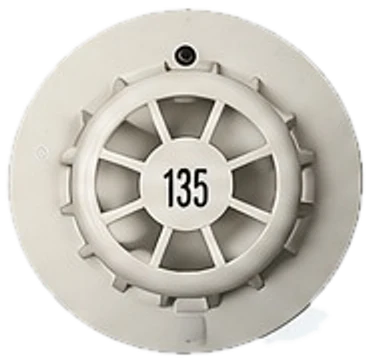
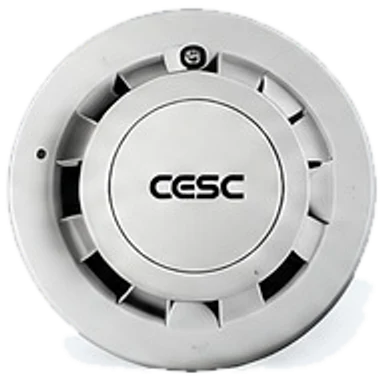
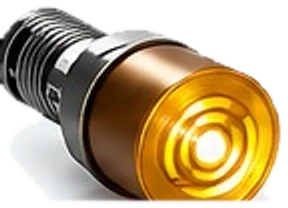
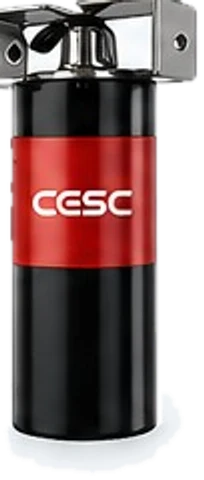


Devices described by the manufacturer CESC for its range. The models concerned and the exact equipment fitted in each cabinet are specified in the quotation.
Certificates and full datasheets are provided with the quote.
Request a quote