
Your energy, stored on your site.
CESC Mercury batteries and Sunnic fast chargers, delivered and commissioned in your country by the factory engineers.
- 233 · 261 · 418 kWh
- CESC Mercury batteries
- 105 to 250 kW
- Depending on model and configuration
- Europe and North Africa
- Delivery area
Applications
Six uses, the same equipment
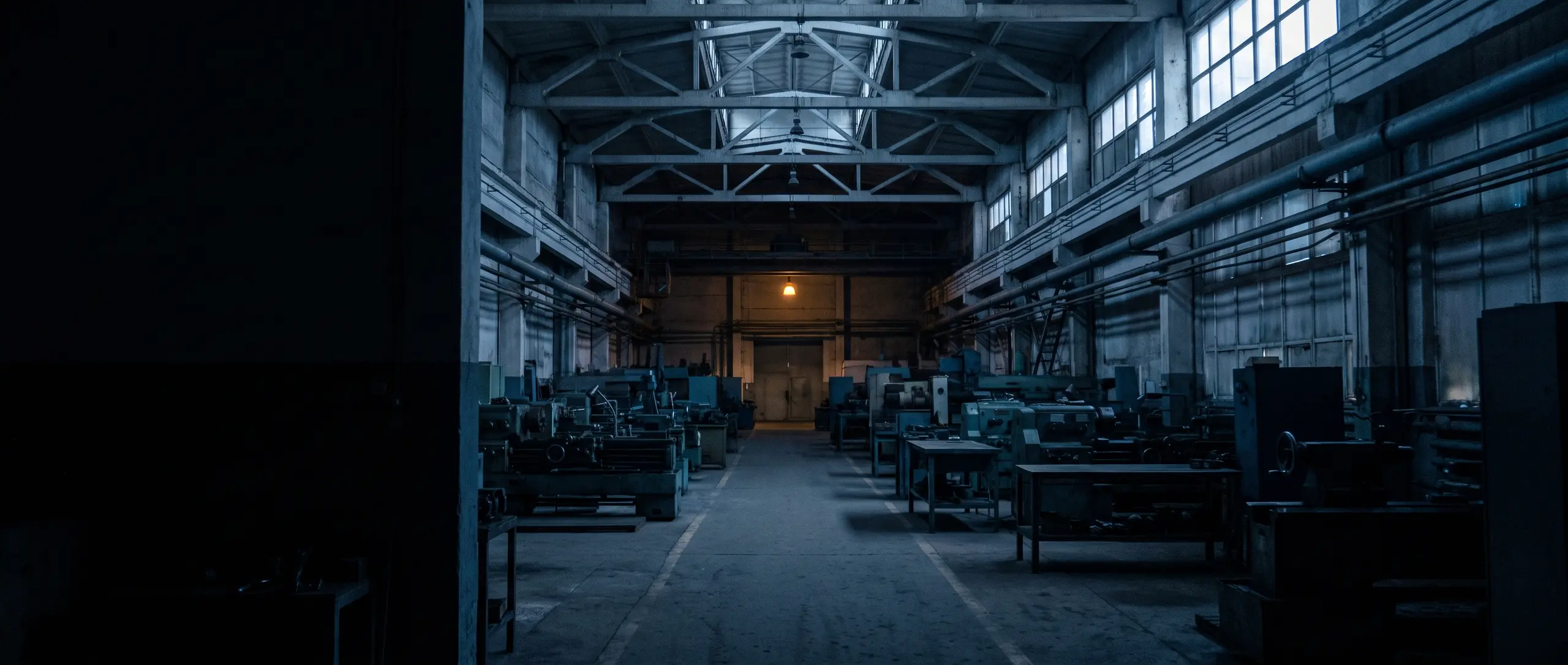
Shave power peaks
An industrial site is billed on the highest peak measured during the month. Starting machines or a chiller is enough to push it up. The battery covers the excess instead of the grid.
Peak billing rules vary by country and supplier: the calculation is done case by case, at quotation stage.
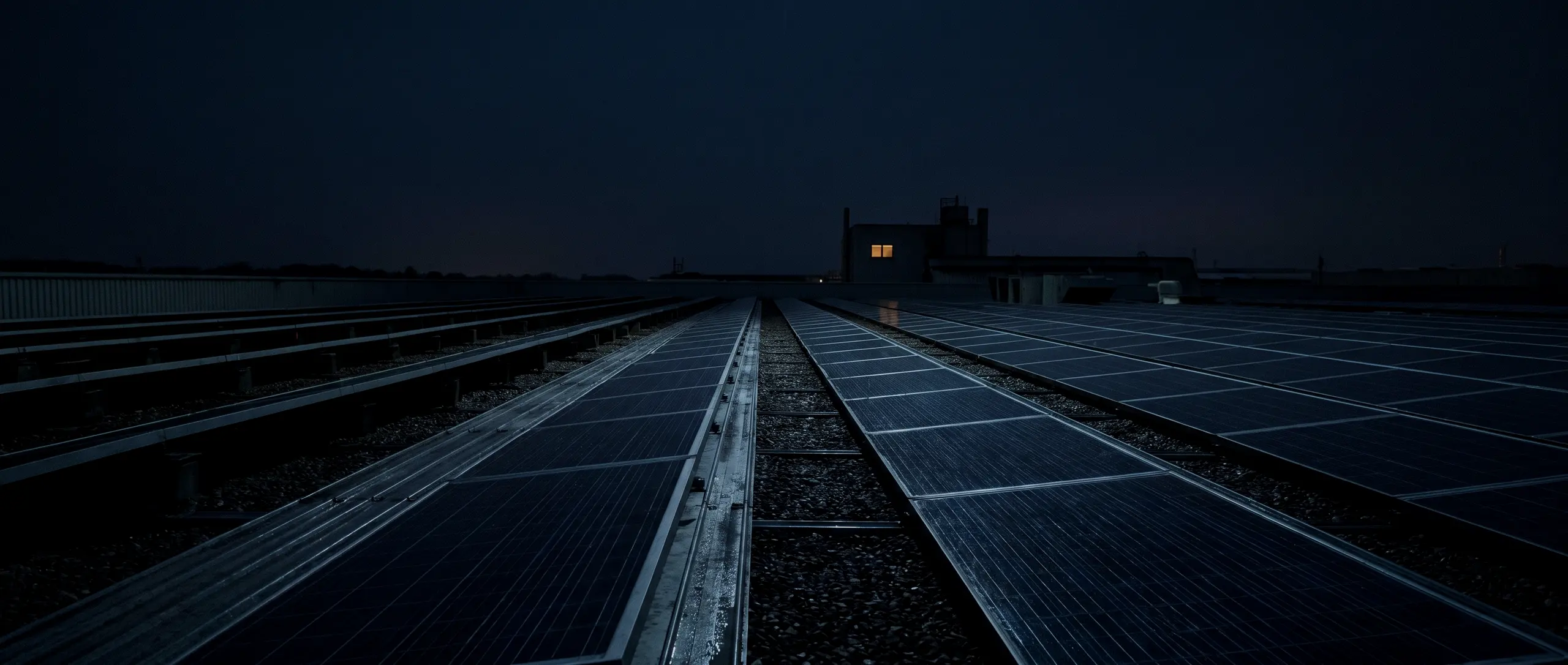
Consume your own generation
Electricity generated in the middle of the day by a photovoltaic system is used in the evening, instead of being exported to the grid.
The Mercury 261 accepts photovoltaic oversizing of 2 to 1, with an integrated transfer switch. CESC manufacturer data.
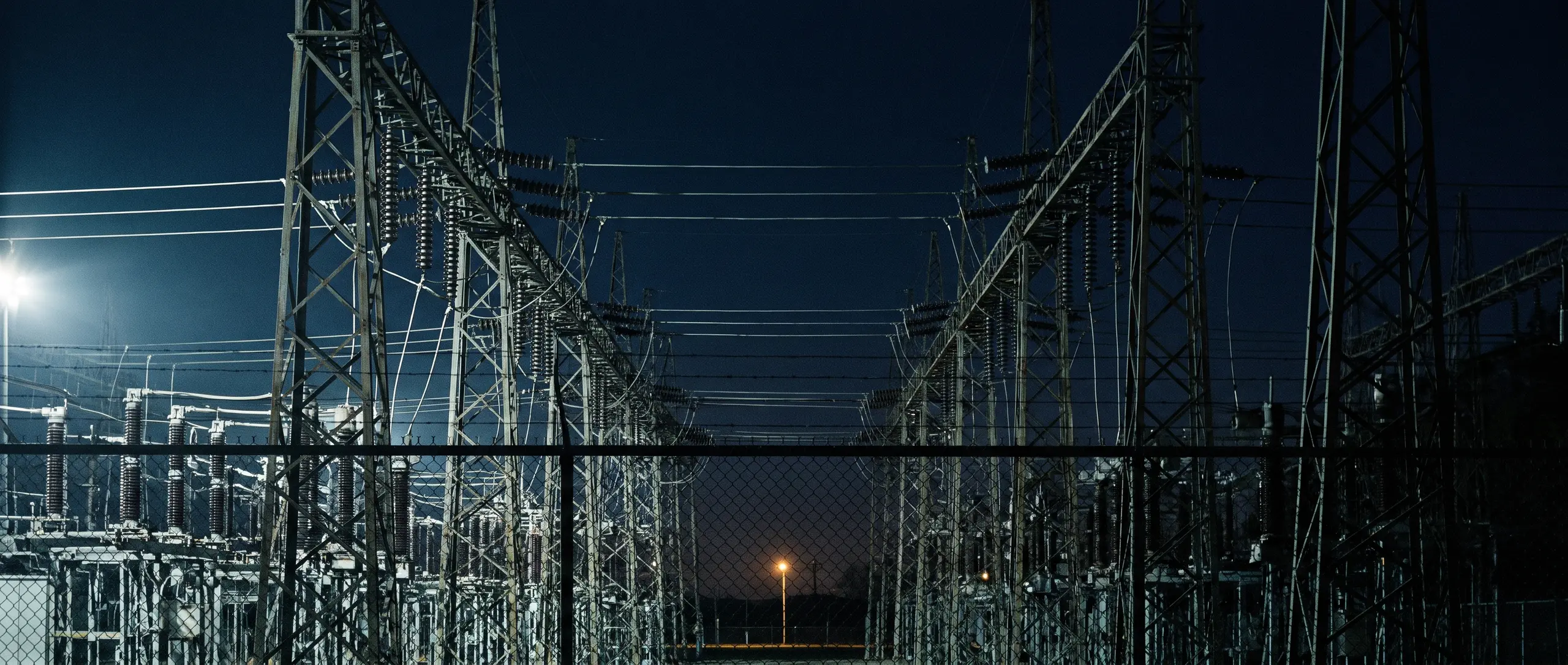
Arbitrage the price of electricity
Charge when electricity is cheap, discharge when it is expensive. The on-board control system decides, based on prices and on your load curve, with no intervention.
The Mercury 418 carries predictive management compatible with aggregation. CESC manufacturer data. Access to markets and flexibility mechanisms depends on the country, the supplier and the aggregator: it is verified at quotation stage.
Run without the grid
The Mercury units operate grid-connected or off-grid. Changeover and back-up power are defined at configuration.
Grid-connected and off-grid operation. CESC manufacturer data.

Charge fast without upgrading the connection
A fast charger draws power that a site’s grid connection cannot always supply. The battery acts as a buffer between the grid and the charger.
This is what links the two ranges Stellabox sells.

Support a solar farm
On a new or an existing plant, storage smooths generation, shifts export and holds the power committed to the grid operator.
The Mercury 261 and 418 combine up to 5.22 MWh and 8.36 MWh across twenty units. CESC manufacturer data.


What Stellabox does, and what it does not do
Sell, deliver, have the factory commission it
Equipment sales
Stellabox Energy sells CESC and Sunnic equipment to businesses. It does not manufacture it.
Delivery in the destination country
Every sale is delivered to the customer or to their reseller in the destination country.
Commissioning by the manufacturer’s engineers
Commissioning and start-up checks are carried out by the factory engineers of the products delivered, not by a local subcontractor.
Installation, civil works and electrical connection remain the responsibility of the site’s installer.
What the battery does on a site
Five ways to use it, a single cabinet
A typical site
The battery covers the peak instead of the grid
When the site's consumption exceeds a threshold, the battery discharges to cover the excess. The meter sees only smoothed consumption.
Peak billing rules vary by country and by supplier.
The midday surplus serves the evening
The electricity generated by the solar installation in the middle of the day is stored, then released at the moment the site consumes.
The Mercury 261 accepts photovoltaic oversizing of 2 to 1, with an integrated transfer switch. CESC manufacturer data.
Charger bas, restituer haut
The on-board control system decides on prices and on the site's load curve. It charges when electricity is cheap and discharges when it is expensive, with no intervention.
The Mercury 418 carries predictive management compatible with aggregation. CESC manufacturer data. Market access depends on the country, the supplier and the aggregator.
The site runs without the grid
In the event of an outage, the site switches over and runs on the battery. The changeover and the back-up power are defined at configuration.
Grid-connected and off-grid operation. CESC manufacturer data.
The charger draws its power from the battery
A DC charger demands instantaneous power that the grid connection cannot always supply. The battery absorbs the demand, and the grid sees only smoothed consumption.
This is what links the two ranges Stellabox sells.
Schematic illustration over one day. It represents no customer site, carries no figures and is not a promise of results.
CESC Mercury battery storage
Three capacities, one architecture
The Mercury units are all-in-one systems for commercial and industrial sites: lithium iron phosphate cells, liquid cooling, conversion and control in a single cabinet. The choice comes down to two figures: the power your site draws at peak, and how long that peak lasts.
Specifications taken from CESC manufacturer documentation. Full datasheets are provided with the quote.

A workshop at a standstill. It is at restart, when everything starts together, that the peak forms.
The proof, over a single day
What the meter sees, and what it no longer sees
Schematic illustration of peak shaving. It represents no customer site and is not a promise of results.
The control system is inside the cabinet
Each Mercury is an all-in-one system: cells, conversion, cooling and control in the same cabinet. It is this control system that arbitrages, shaves and switches over, and it is what makes dispatch by an aggregator possible.
The Mercury 418 carries predictive management compatible with aggregation. CESC manufacturer data. Available functions and their implementation are specified in the quote.
The EMS, the markets and what conditions every euroSunnic DC fast chargers
Fast charging, as a complement
Installing a fast charger on a site whose contracted power is already stretched simply moves the problem to the capacity bill. The battery absorbs the charging demand, and the grid sees only smoothed consumption. That is why Stellabox sells Sunnic chargers alongside CESC batteries, not separately.
CCS2 connector, OCPP protocols, touchscreen. Available power ratings and options are specified in the quote.
See the Sunnic chargersDelivery and commissioning
Six steps, written down once and for all
- 01
Quote request and technical qualification
Capacity or power required, country of installation, timescale.
- 02
Priced quote
The quote specifies the equipment, the delivery terms, the commissioning and the options.
- 03
Order and payment
Payment in full before delivery.
- 04
Delivery
To the customer or to the reseller in the destination country.
- 05
Commissioning
By the factory engineers of the product delivered.
- 06
Start-up check
By the same factory team.
Installation, civil works and electrical connection remain the responsibility of the site’s installer. Stellabox sells, delivers and has the equipment commissioned.
Delivery area
All of Europe, Switzerland, Monaco, Andorra and North Africa
The destination determines transport, documents and pricing. That is why the country of installation is the first thing asked on a quote request: it is what makes it possible to price correctly first time.
Lithium batteries are Class 9 dangerous goods. Their transport is governed by the ADR, IMDG and IATA regulations depending on the mode of carriage.
The company
Who you are dealing with
Stellabox Energy distributes CESC battery storage systems and Sunnic chargers to businesses. CESC declares a head office in Singapore and a European sales and technical centre in Germany, and exhibits at Intersolar Europe. Stellabox sells this equipment; it does not manufacture it.
See the company and the team
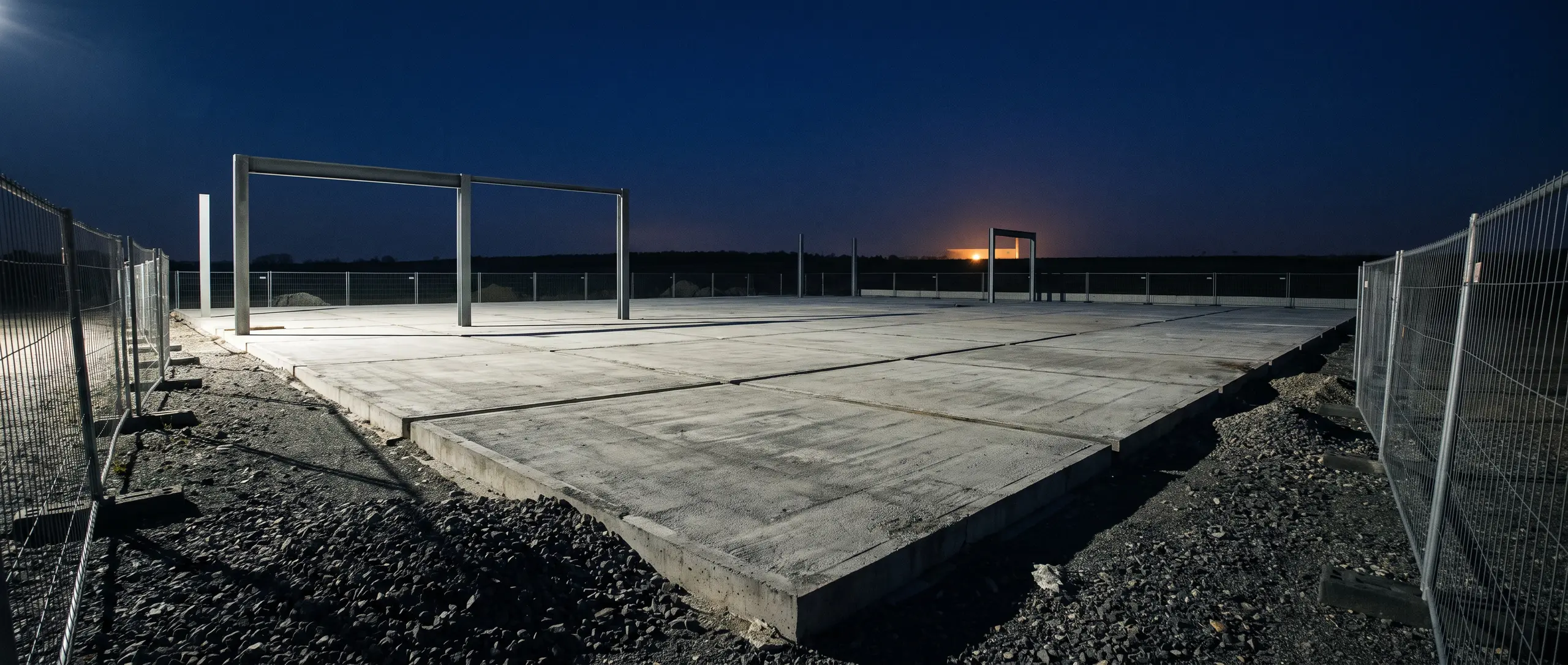
A slab, a fence, a grid connection. What comes before the cabinet.
Quote
Tell us what you are looking for
Two screens, ten fields. The first asks for no contact details.